


In recent years, mental health struggles have consistently been on the rise. As stigma has slowly fallen and more people have begun seeking support, many have found it difficult to choose a treatment path that’s right for them.
The overwhelming number of options, combined with the unique needs of every individual, has made it challenging to settle on just one therapeutic technique. For this reason, many people have been turning to holistic therapy, an approach that combines a variety of methods and techniques to address the individual’s distinct concerns.
With holistic therapy, people can receive personalized attention, guidance, and support, knowing that every aspect of their wellness is being addressed. In this article, we’ll discuss what a holistic approach to mental wellness might entail and cover 10 techniques commonly utilized by holistic therapists to treat their patients.
Table of Contents
What is holistic therapy?
Holistic therapy focuses on treating people as a whole, using a mixture of traditional and non-traditional techniques to address different aspects of their physical, mental, emotional, and social well-being. This integrative approach concentrates on the connection between the mind, body, and spirit, viewing each one as equally important as the other.
Holistic therapists understand that everyone is unique. Thus, they make it a point to consider each person’s needs, beliefs, and preferences when coming up with solutions to the concerns the individual is facing. The goal of a holistic therapist is to create the “deepest level of healing possible” by any means necessary, taking into account the individual’s safety and comfort above all else.
10 Techniques by Holistic Therapists to Improve Mental Wellness
Improving one’s mental wellness can be accomplished in numerous ways, and something different works for everyone. Some people respond more effectively to certain techniques than others, and that’s okay. Boosting one’s mental health is all about finding what works and what doesn’t and being consistent in implementing those methods that are helpful. Below are 10 holistic techniques that may be useful for those seeking to improve their mental health.
1. Aromatherapy:

Aromatherapy refers to the practice of using essential oils, which are taken from different types of plants, to promote healing. Smelling and inhaling the various scents of these oils can have several benefits, including pain management, enhanced relaxation, and stress relief. Those with chronic illnesses like fibromyalgia may experience reduced pain from aromatherapy, which can ease symptoms of depression and anxiety caused by a lack of control over their symptoms. Some of the top essential oils include lavender, eucalyptus, peppermint, tea tree, orange, lemongrass, rosemary, and frankincense. It can be important to understand the unique benefits each type of oil can have so that you can choose a scent accordingly.
2. Diet:
Diet and mental health are often intrinsically linked, with those choosing healthy diets being at a lower risk for mental health concerns. A holistic diet takes a person’s unique nutritional needs into account while also considering how certain foods, supplements, and nutrients will impact their well-being. Healthy, holistic diets often contain lots of fruits, leafy greens, omega-5 fatty acids, and whole grains while avoiding too much sugar, salt, and processed foods. A balanced diet can lead to a more stable mood, an increased ability to concentrate, and a reduced risk of developing mental health disorders like anxiety and depression.
3. Therapy:
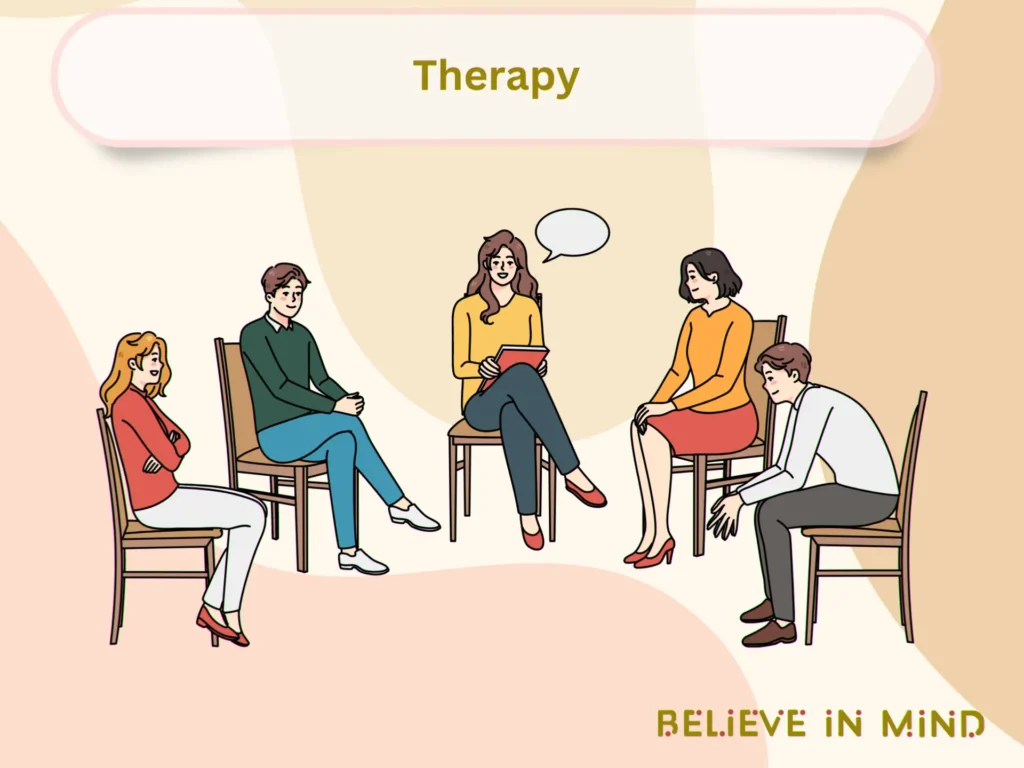
Working with a holistic therapist can be instrumental in addressing underlying emotional concerns or traumas, developing healthy coping strategies, and increasing one’s level of self-awareness. Common holistic therapy methods include guided imagery, art or dance therapy, mindfulness-based approaches, and more. Working with a therapist can help people get to the root of their thought patterns and behavior, allowing them to heal from their past and move into their future with greater self-assurance and peace.
4. Hypnosis:
Hypnosis involves inducing someone into a different state of consciousness, causing them to be more open to guidance and direction. Those who are hypnotized often feel as if they’re in a dream or trance-like state, and this is ultimately what allows them to be more receptive to therapeutic treatment. Hypnosis can improve concentration and focus, help people cope with anxiety and stress, and enhance their ability to work through difficult emotions like grief. It can also be a powerful method for overcoming phobias and panic attacks.
5. Tai Chi:
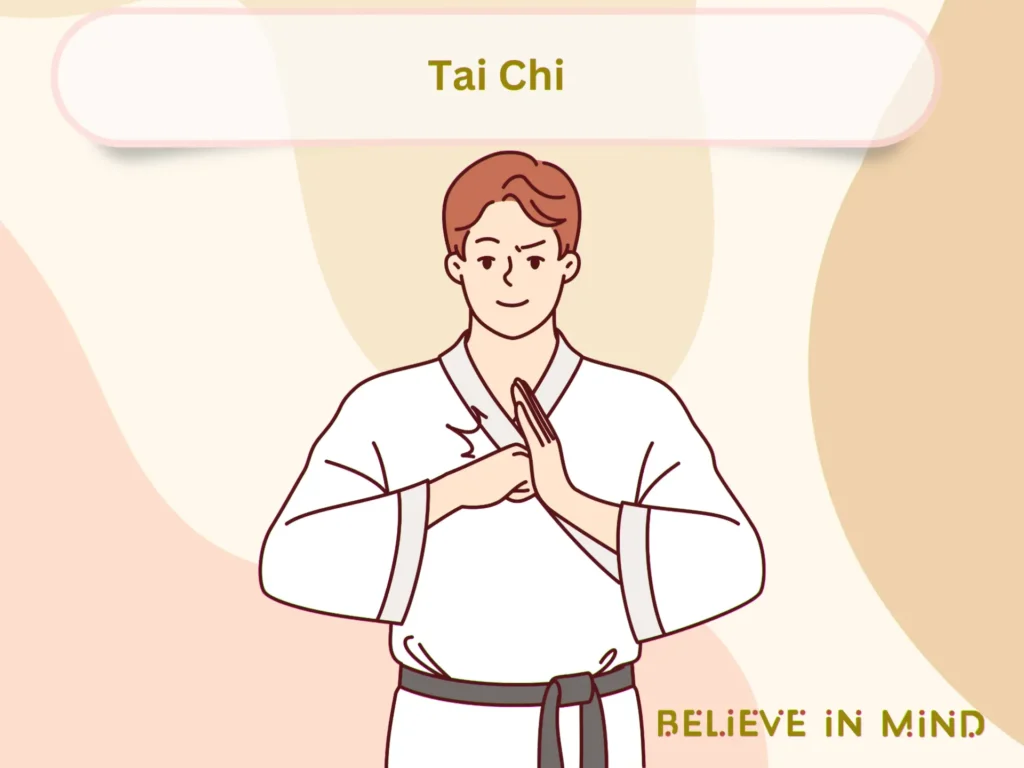
Tai chi is a gentle form of Chinese martial art that can be practiced with the aim of self-defense, wellness, or both in mind. Engaging in tai chi involves completing a series of movements and postures, with or without weapons, while simultaneously practicing deep breathing and meditation. This mind-body exercise can improve concentration, promote relaxation, reduce stress, and alleviate symptoms of anxiety and depression. Getting the most out of tai chi often involves finding a qualified practitioner who can teach the exercise well.
6. Reiki:
Reiki is a Japanese term that comes from the words “rei” and “ki,” which, when combined, translate to “universal life energy.” With this technique, a trained practitioner places their hands on the individual receiving the treatment and gently channels energy through them. Reiki promotes stress reduction, relaxation, and a clearer emotional state. It can also improve sleep quality and lead to pain relief.
7. Breathwork:
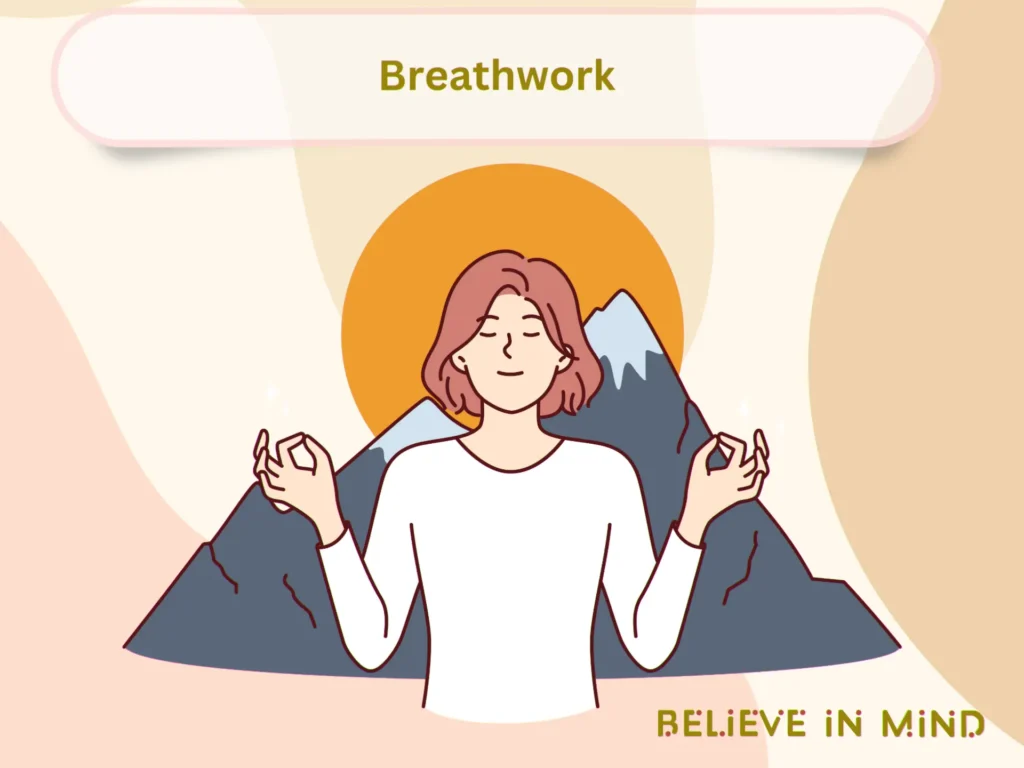
Practicing different kinds of breathing techniques is also known as breathwork. With this method, an individual consciously controls their breathing patterns to regulate how their body responds to stress, anxiety, and other difficult emotions. Breathwork can calm the mind, bring mental clarity, and help people manage their emotions more rationally. Some common types of breathing exercises include box breathing, diaphragmatic breathing, and pursed lip breathing.
8. Massage:
Massages can be highly effective in treating symptoms of depression, anxiety, and stress, as well as reducing irritability. Getting a massage releases endorphins, which naturally ease pain in the body and act as mood boosters. People commonly hold chronic stress in areas of the body like their head, neck, jaw, and shoulders. Having these areas massaged may promote a release of these feelings and contribute to relaxation. There are many types of massages to pick from, including deep tissue, acupressure, and lymphatic.
9. Acupuncture:
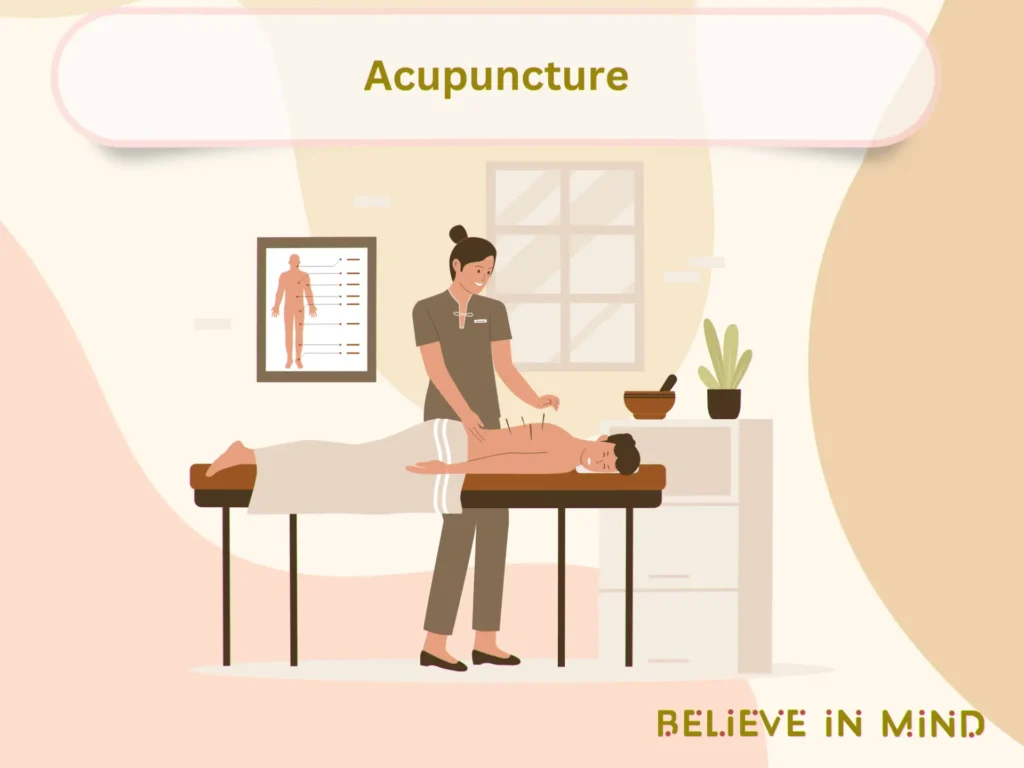
Acupuncture is a traditional Chinese technique that involves placing very small needles into the skin to treat a variety of health concerns. This method has been found to be effective in reducing symptoms of mental disorders like depression, as the needles can target areas of the body responsible for producing the hormones related to our emotions. Acupuncture can also trigger the release of endorphins, a type of feel-good chemical, which can boost one’s mood and reduce distress.
10. Yoga:
Yoga is an ancient practice that combines physical activity, breathwork, and meditation, making it a powerful holistic technique for healing. When you engage in yoga, you strike different poses and take different postures, each of which serves to stretch, strengthen, or relax certain areas or parts of the body. Yoga can help calm the mind, relieve stress, and boost confidence. It can also lead to higher-quality sleep and increased focus, as well as improve your ability to stay present.
Not all of these techniques will be appealing or helpful to everyone, especially because we all have different needs, preferences, and interests. It’s important for people to try new things so that they can figure out which methods are most beneficial to them. The holistic techniques available extend far beyond this list, providing an endless number of options to choose from.
Some people enjoy mixing up their routines by regularly engaging in multiple methods, while others may get comfortable with just one technique and stick with it. Whatever path is chosen, it’s essential that it align with the individual’s distinct challenges and goals.
Incorporating Holistic Techniques Into Your Life
Living a holistic lifestyle doesn’t have to mean changing everything about who you are and how you operate from day to day. Rather, holistic living involves taking small, meaningful steps to create positive change in your routine, ultimately leading to enhanced physical and mental health.
The types of techniques you choose are likely to depend on what problem you’re seeking to address and how open you are to trying different methods. That said, the beauty of holistic therapy is that you can focus on and treat more than one aspect of your well-being with just a couple of effective strategies.
While it’s possible to incorporate holistic techniques into your life on your own, involving a professional could make the process smoother and more effective. Holistic therapists work to understand what their patients need to live happier and healthier lives. They take your input into consideration and develop a treatment plan alongside you, allowing you to retain a sense of autonomy and control over your journey.
Holistic techniques may not be for everyone, but for the right person, they can make a world of difference by bringing a sense of rejuvenation and balance to an otherwise demanding, stressful life.
Final Thought
Holistic therapy is an integrative approach that aims to treat people as a whole, addressing their physical, mental, emotional, and spiritual well-being. There are many holistic techniques that can help improve one’s mental health, such as aromatherapy, diet, therapy, hypnosis, tai chi, reiki, breathwork, massage, acupuncture, and yoga. These methods can provide various benefits, such as stress relief, mood enhancement, pain management, and self-awareness.
However, not every technique will suit everyone, and it’s important to find what works best for each individual. Working with a holistic therapist can help people discover and implement the most effective holistic techniques for their needs and goals. By incorporating holistic techniques into their lives, people can achieve a greater sense of balance, harmony, and wellness.

Let’s boost your self-growth with Believe in Mind.
Interested in self-reflection tips, learning hacks, and knowing ways to calm down your mind? We offer you the best content which you have been looking for.