


You ever wonder what makes people greedy? It’s a complex issue with lots of factors at play. To grow as individuals, it helps to explore what drives greed. Psychology shows how personality and experiences shape desires. Social influences like peer pressure push us toward excess. Cultural values celebrate wealth and consumption without limits. Economic systems can reward ruthless competition. Environments with scarcity breed self-interest. The roots of greed run deep, tangled up in human nature and society. Reflecting on what fuels greed in yourself and others brings wisdom. This path of understanding helps you gain mastery over your mind. With insight, you can live generously, finding contentment that overflow into compassion.
Table of Contents
Understanding Greed: Why It Matters
The Driving Forces: We’re all susceptible to greed—that intense, insatiable desire for more. Whether it’s money, power, or possessions, greed can consume us if left unchecked. But why does it happen? Understanding the driving forces behind greed is crucial for personal growth.
Psychological Roots: At its core, greed often stems from deep-seated insecurities or emotional voids we’re trying to fill. Maybe it’s a need for control, status, or validation. Psychologists point to conditions like narcissism and low self-esteem as potential triggers.
Social influences: Our social circles and cultural norms play a big role too. If greed is glorified or seen as a path to success, it becomes easier to justify. Keeping up with the Joneses and societal pressures to accumulate can fuel the greed cycle.
Economic Factors: Let’s face it, our economic system often rewards greed. The promise of bigger profits, bonuses, and wealth can be incredibly tempting. An overly materialistic, consumer-driven society doesn’t help either.
Personal Responsibility: Ultimately, though, greed boils down to personal choices and self-awareness. Recognizing your motivations, values, and when “enough is enough” is key. It’s about striking that delicate balance between ambition and insatiable want.
What are the Causes of Greed?
The causes of greed are multifaceted. They often stem from deep-rooted psychological factors, such as insecurities and a desire for control. Additionally, scarcity mindsets, social influences, and economic factors contribute to the complex nature of greed. These elements collectively shape our understanding of this human trait.
1. Psychological Causes of Greed

- Deep-Rooted Insecurity: You may be surprised to learn that greed often stems from a deep-seated sense of insecurity or lack. Those who hoard possessions or wealth often do so out of an irrational fear of scarcity or deprivation. This mindset can develop from childhood experiences of wanting something or feelings of not having enough.
- The Never-Ending Pursuit: For some, greed arises from an endless pursuit of more—more money, status, power, you name it. It’s a vicious cycle fueled by the belief that having more will finally bring satisfaction and fulfillment. But for the chronically greedy, that sense of “enough” never comes. The goalpost keeps moving.
- Ego and Self-Worth: Greed is sometimes tied to one’s sense of self-worth and ego. Accumulating wealth or possessions becomes a way to prove self-importance and measure up to others. This excessive preoccupation with status symbols and material trappings stems from deeper feelings of inadequacy or low self-esteem.
- Control and Power: At its core, greed is often a desire for control and power. By amassing more than they need, greedy individuals seek to exert dominance over resources and people. This grasping mentality gives them a sense of security, influence, and authority in their world. how emotions like fear, insecurity, and jealousy can fuel greed.
- The Jealousy Trap: Jealousy is another dangerous emotion that fuels greed’s vicious cycle. Seeing others with more success, wealth or status can spark feelings of resentment and inadequacy. Greed kicks in as you desperately try to “keep up with the Joneses” – accumulating more just to boost your fragile ego.
- Overcompensating for Lack: Sometimes, greed masks an inner void or lack of self-worth. You might relentlessly pursue wealth, power, or status to prove your value to yourself and others. But true self-confidence comes from within; material wealth alone can’t fill that emotional void.
Breaking the Cycle: The antidote? Cultivating self-awareness, gratitude, and self-acceptance. Recognizing how fear and insecurity drive the greed cycle is half the battle. From there, you can consciously challenge those negative thought patterns and find healthier ways to meet your needs.
However, greed can be a survival mechanism rooted in our evolutionary past. Even though greed often gets a bad rap, it actually has deep evolutionary roots that helped our ancestors survive.
2. Scarcity Mindset
Back when humans were hunter-gatherers, resources were incredibly scarce. You never knew when your next meal would come. This scarcity bred a psychological tendency to hoard whatever food, water or other resources you could get your hands on.
Those with a “greedier” disposition to stock up were more likely to make it through periods of famine or drought. It was an adaptive trait that got passed down through generations because it promoted survival.
Fear & Insecurity. Our greedy instincts also stem from an innate fear of not having enough. When you’re constantly worried about your survival, it creates a deep insecurity that fuels cravings for more. More food, more shelter, more resources—just in case.
This insecurity is wired into our psyche from our days of struggling to survive. It’s no longer rational in our world of plenty, but those nagging feelings of scarcity linger on, spurring us to accumulate far beyond our needs.
Evolutionary Advantage. From an evolutionary perspective, greed gave our ancestors a competitive edge. Those who were greedier tended to have more resources stockpiled. This allowed them to out-compete rivals for mates, territory, shelter and food during lean times.
The “greediest” gene pools were more likely to survive and pass those greed-promoting traits on to future generations. While no longer adaptive today, that lingering greed impulse is a vestigial reminder of our struggle to exist.
Read more

3. Social and Cultural Influences on Greed

- Cultural Norms. Different cultures view greed through vastly different lenses. In some societies, greed is seen as a positive trait linked to ambition and success. People are encouraged to accumulate wealth and possessions as status symbols. However, other cultures promote more modest living, seeing greed as excessive selfishness.
- Peer Influence. The values, attitudes, and behaviors of our peers heavily influence how we view greed. If everyone around you pursues money and status relentlessly, it becomes the accepted norm. On the flip side, being surrounded by people who value sharing and simplicity makes greed seem aberrant.
- Media Portrayal. How greed gets portrayed in media—TV, movies, music, etc.—shapes cultural perspectives too. Lavish lifestyles and excessive consumption get glamorized. Meanwhile, more balanced or critical views of materialism are rare. This constant celebration of greed as desirable can warp societal values over time.
- Generational Shifts. Attitudes toward greed can evolve across generations within a culture. For example, post-war societies often embrace frugality, having experienced scarcity. But their wealthy descendants, far removed from hardship, may develop more entitled, acquisitive mindsets. These generational value shifts impact greed’s social acceptability.
- Societal Expectations. The impact of societal pressure to succeed and accumulate wealth. You’ve likely felt the weight of society’s expectations on your shoulders. The pressure to succeed, make money, and accumulate wealth can be overwhelming.
4. Measuring Success by Wealth:
From a young age, we’re taught that financial prosperity equals success. The more you have, the “better” you are. This toxic mindset gets reinforced through media, pop culture, and even our own social circles.
People flaunt their riches on social media. Celebrities and influencers promote luxury lifestyles. Your neighbors upgrade to bigger homes and fancier cars. It’s a never-ending cycle of wanting more.
Keeping up with the Joneses. Humans are hardwired to compare themselves to others. When you see people around you acquiring more wealth and possessions, it triggers feelings of inadequacy. The fear of falling behind fuels greed.
You may start obsessing over your net worth, stock portfolio, or the latest investment opportunity. Greed clouds your judgment as you relentlessly pursue a wealthier lifestyle, often at the expense of relationships, health, and ethical behavior.
The Illusion of the American Dream. The concept of the “American Dream” promotes the belief that wealth leads to happiness. We’re sold the illusion that if you just work hard enough, you too can live that picture-perfect life.
But true fulfillment doesn’t come from material possessions. An excessive desire for money and status objects is an endless trap that leaves you feeling empty inside.
Learning to find joy in non-material pursuits is key to curbing greed.
5. Media and Advertising:

Let’s face it: we’re constantly bombarded by ads telling us what we should buy, own, or aspire to have. Commercials, billboards, sponsored posts—it’s relentless.
In today’s world, media and advertising play a significant role in shaping our values, beliefs, and behaviors. Unfortunately, one of the prominent impacts of media and advertising is the perpetuation of materialistic values and greed in society. This constant bombardment of messages urging us to buy more, have more, and consume more has led to a culture where material possessions are equated with success and happiness.
1. Creating Artificial Needs: Media and advertising are adept at creating artificial needs and desires in consumers. Through clever marketing strategies, they convince us that we need the latest gadget, the trendiest fashion item, or the newest model of a product to feel fulfilled or successful. This creates a perpetual cycle of consumption, where individuals are constantly seeking to acquire more material possessions to keep up with societal standards.
2. Fostering a Culture of Comparison: Advertisements often portray an idealized version of life, where individuals are surrounded by luxury, beauty, and success. This creates unrealistic expectations and fosters a culture of comparison, where individuals measure their worth and happiness based on material possessions. This constant comparison can lead to feelings of inadequacy, envy, and a never-ending quest for more to achieve the same level of perceived success.
3. Promoting Instant Gratification: Media and advertising often promote instant gratification by suggesting that buying a particular product will bring immediate happiness or satisfaction. This reinforces the idea that material possessions can provide a quick fix for deeper issues or fulfill emotional needs. As a result, individuals may become increasingly reliant on material goods for happiness, leading to a cycle of consumption driven by instant gratification.
4. Perpetuating Greed: The emphasis on material possessions and wealth in media and advertising can also contribute to the perpetuation of greed in society. The relentless pursuit of more, better, and newer can lead to a lack of contentment and a constant desire for excess. This insatiable appetite for material wealth can not only harm individual well-being but also contribute to social inequalities and environmental degradation.
Media and advertising have a powerful influence on our perceptions, desires, and behaviors. By perpetuating materialistic values and greed, they shape our societal norms and contribute to a culture focused on consumption and excess. It is crucial for individuals to be aware of these influences and strive to cultivate values based on contentment, gratitude, and meaningful experiences rather than the relentless pursuit of material possessions.
By challenging the messages promoted by media and advertising, we can work towards a more balanced and fulfilling way of life that prioritizes well-being and relationships over material wealth.
6. The Materialistic Mindset
The insidious nature of advertising lies in how it shapes our mindset over time. Those catchy jingles and photoshopped models subtly convince us that owning the latest gadgets or fashions will make us happier, more attractive, and more successful.
It breeds a materialistic outlook where self-worth is tied to possessions rather than inner qualities. This breeds greed—the insatiable desire for more stuff, status symbols, and luxuries.
Fueling Envy and Discontent: Ads also stoke feelings of envy and discontent with what we have. That shiny new car or mansion you can’t afford. The implication is that you’re inadequate or unfulfilled without it.
This manufactured dissatisfaction drives greed by making us crave things we don’t need, just to keep up with idealized images of affluence.
Redefining “needs” vs. “wants”: Finally, advertising has redefined our perception of needs versus wants. Basic necessities are no longer enough; we’re told we need the latest iPhone, designer clothes, and pricey skincare.
Greed is stoked by convincing us that frivolous luxuries are actually vital for happiness and social status. It’s a vicious, hollow cycle of wanting more.
Read more

7. Economic and Environmental Factors Fueling Greed

- Profit-Driven Capitalism: Let’s face it: the capitalist system we live in can breed a “more is better” mentality. Companies are incentivized to maximize profits, sometimes at the expense of ethics. Greed gets rewarded when CEOs earn millions while workers struggle for the minimum wage. It’s a vicious cycle that normalizes greed as a path to success.
- Resource Scarcity: The world’s resources are finite. With more people demanding a slice of the pie, the fear of scarcity takes hold. You might start hoarding more than you need, just in case. This “every man for himself” mindset is fertile ground for greed to take root.
- Environmental Degradation: As the planet suffers from pollution, climate change, and habitat loss, the fear of environmental catastrophe grows. Instead of working together, some become obsessed with accumulating resources for their own survival. Greed becomes a coping mechanism in the face of an uncertain future.
- Wealth Inequality: Staggering wealth gaps breed resentment on both sides. The ultra-rich sometimes become out-of- touch, endlessly accumulating luxury goods. Meanwhile, the struggling masses feel greed is the only way to get ahead. An uneven playing field makes greed seem justifiable.
8. Wealth Disparities:
Income inequality and financial insecurity are significant factors that contribute to the perpetuation of greed in society. When individuals feel a lack of financial stability or are faced with significant disparities in wealth, it often leads to a heightened sense of competition, materialism, and a desire for more.
1. Scarcity Mindset: Financial insecurity and income inequality create a scarcity mindset, where individuals constantly worry about meeting their basic needs and maintaining their standard of living. In this mindset, there is a strong desire to acquire as much as possible to safeguard against future uncertainties. This can manifest in excessive hoarding, greed, and a relentless pursuit of material possessions.
2. Social Comparison: Income inequality can intensify social comparisons, as individuals compare their own wealth and possessions with those who are more affluent. This comparison leads to feelings of envy, inadequacy, and a desire to have what others possess. The resulting competitive mindset fosters a society where greed and the accumulation of wealth become the driving factors for success and happiness.
3. Power Dynamics: Income inequality often leads to the concentration of wealth and power in the hands of a few. This concentration creates a dynamic where those who possess wealth have more influence and control over resources, opportunities, and societal structures. In this scenario, the desire for more wealth and power becomes pervasive, driving greed and reinforcing the cycle of inequality.
4. Lack of Empathy: Greed can be exacerbated in societies with high levels of income inequality, as individuals become more focused on their own needs and desires. The socio-economic divide can make it difficult for individuals to empathize with those who are less fortunate, leading to a disconnect and further perpetuating greed.
5. Society’s Values: Income inequality can influence societal values, where the pursuit of wealth, success, and material possessions becomes the primary measure of worth and accomplishment. Society places a higher value on financial achievements, often disregarding other aspects of individual well-being and fulfillment. This value system reinforces a culture of greed, as individuals strive for material success at any cost.
Income inequality and financial insecurity play a significant role in fostering greed within society. The scarcity mindset, social comparisons, power dynamics, lack of empathy, and the values perpetuated by income inequality create an environment where greed becomes prevalent. Addressing income inequality, promoting financial security, and cultivating a culture of empathy and solidarity are essential steps in reducing the influence of greed and creating a more equitable and compassionate society.
9. Income Gaps & Financial Stress
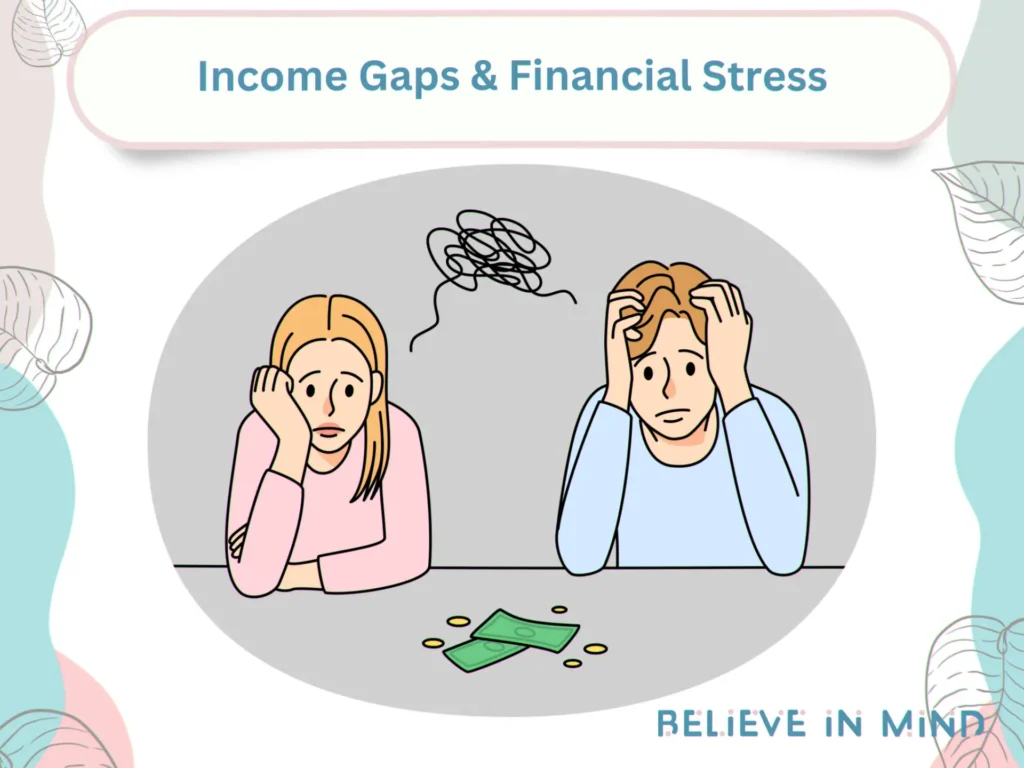
You’ve likely noticed the widening gap between the ultra-wealthy and the rest of society. This stark income inequality breeds feelings of insecurity and deprivation for many. When people struggle to make ends meet, greed can take root as a coping mechanism. A scarcity mindset fuels an obsessive desire to hoard resources out of fear.
“Keeping Up” Mentality: Seeing others flaunt excessive wealth can spark envy and resentment. It breeds a “keeping up with the Joneses” mentality, where people relentlessly pursue more status symbols and possessions. Greed becomes a vicious cycle of always wanting more to satisfy societal pressures and expectations.
The Myth of “Self-Made” Success: Financial hardship isn’t the only driver of greed. Even the affluent face insecurities perpetuated by myths of meritocracy and self-made success. The fear of “losing it all” can cause the wealthy to cling tightly to their riches through greedy, self-serving actions.
Vicious Loops of Excess: Once greed takes hold, it can become a self-perpetuating cycle of excess. The more people acquire, the more they crave—wealth and power become insatiable addictions. This ravenous appetite breeds unethical and exploitative behaviors that widen societal divides even further.
Scarcity Mindset: A scarcity mindset develops when people perceive resources as limited and insufficient to meet their needs. This mindset often stems from experiences of poverty, deprivation, and financial insecurity. When people feel there isn’t enough to go around, greed can take root as a means of ensuring one’s own survival and wellbeing.
Those living with scarcity may resort to hoarding resources out of fear that they will not have access to what they need in the future. They develop an “every man for himself” mentality that prioritizes self-interest over cooperation and collaboration. Greed allows people to accumulate more than their fair share at the expense of others who are also in need.
Even those who are relatively well-off can slip into a scarcity mindset when faced with economic uncertainties and threats. The fear of loss causes the well-to-do to cling greedily to what they have, reluctant to part with their wealth through charitable giving or taxation.
In summary, environments characterized by real or perceived deprivation of basic necessities and resources seem to breed greed as a coping mechanism. When scarcity dominates people’s realities and outlooks, greed and hoarding emerge as means of gaining some sense of security and stability in an insecure world.
10. The Role of Childhood Experiences in Developing Greed
Children learn behaviors through observation, reinforcement, and modeling. Early life experiences play a large role in shaping a person’s character, values, and worldview as an adult. When it comes to greed, childhood experiences can cultivate either generosity or self-serving tendencies.
Children raised in secure and nurturing environments, where resources are abundant and shared freely within the family, tend to develop more generous and cooperative dispositions. They observe adults modeling behaviors like giving, helping others, and considering the needs of the group over one’s own desires. These prosocial values become internalized through positive reinforcement and imitation during formative years.
However, children who grow up with neglect, emotional deprivation, material excess, or inconsistent parenting are at greater risk of developing greed. When parents prioritize material goods over spending quality time with their kids, children can come to see possessions as a measure of love and value. They may also observe adults placing their own desires above all else, failing to consider the needs of others. If children’s emotional and physical needs regularly go unmet, they may come to see the world as unsafe and unfair, breeding a “looking out for number one” mentality.
Overall, greed is unlikely to develop in children who feel secure, loved unconditionally, and exposed to role models that demonstrate the virtues of generosity, selflessness, and gratitude. But when basic psychological needs are not adequately met during childhood and children are exposed to greedy behaviors in the home, they can internalize values of selfishness, materialism, and acquisitiveness that shape lifelong attitudes towards wealth and resources.
11. How Materialism and Consumerism Promote Greed

Materialism and consumerism are closely intertwined with the promotion of greed in society. Let’s explore how these factors contribute to the perpetuation of greed.
Valuing Material Possessions: Materialism is the belief that material possessions are of great importance and contribute to one’s identity and happiness. When individuals prioritize material possessions and equate them with success and personal worth, it fosters a mindset of always wanting more. This mindset fuels greed as individuals constantly strive to acquire and possess more material goods.
Emphasis on Consumption: Consumerism is an ideology that encourages the acquisition of goods and services in large quantities. It promotes the idea that happiness and fulfillment come from the constant consumption of new products. This emphasis on consumption creates a culture where personal worth and happiness are tied to the accumulation and ownership of material possessions, further fueling the desire for more and perpetuating greed.
Marketing and Advertising: The marketing and advertising industry plays a significant role in promoting materialism and consumerism. Through targeted messaging, advertisements create artificial needs and desires in consumers. They often highlight the benefits and status associated with owning certain products, manipulating individuals into believing that they need those possessions to be happy and successful. This constant exposure to persuasive advertising techniques contributes to the culture of always wanting more and amplifies greed.
Creating a Culture of Comparison: Materialism and consumerism foster a culture of comparison, where individuals evaluate their worth and success based on what they possess or can afford. This constant comparison creates a perceived need to keep up with others and acquire more to match or surpass their level of material possession. The result is a never-ending cycle of wanting more and a mindset rooted in greed.
Instant Gratification and Disposability: Materialism and consumerism promote instant gratification and the disposable nature of goods. The focus is on acquiring the latest and greatest products, often discarding or replacing older ones without much thought. This culture of quick fixes and disposability reinforces the desire for constant acquisition, leading to a sense of entitlement and an insatiable appetite for more, further fueling greed.
In conclusion, materialism and consumerism promote greed by placing a high value on material possessions, encouraging constant consumption, capitalizing on advertising techniques, fostering a culture of comparison, and promoting instant gratification and disposability. Recognizing and challenging the influence of these factors can help individuals and society move towards a more balanced and fulfilling way of life that prioritizes genuine well-being, sustainability, and shared values over the relentless pursuit of material wealth
Religious Views on Greed and its Effects
Most major world religions view greed as a character flaw that leads to immoral behavior and suffering. The major religions condemn greed and promote virtues like contentment, generosity, and charity.
In Buddhism:
Buddhism considers greed or desire to be one of the roots of suffering and a hindrance to spiritual liberation. The Buddha taught that greed arises from craving and attachment to impermanent things. When one’s desires are never satisfied, it leads to further craving and dissatisfaction.
Greed is seen as an obstacle to achieving enlightenment in Buddhism. The Buddhist goal is to attain a state of non-desire and non-attachment by following the Noble Eightfold Path. This includes cultivating wisdom to see through illusions of permanence and possession and practicing meditation to weaken the grip of desires on the mind.
The Buddhist scriptures illustrate how greed leads to harm for oneself and others. Greedy individuals suffer from never having enough and often resort to unethical means to fulfill their desires. Their selfishness harms others by withholding or taking what is not given.
Overall, Buddhism views greed as an obstacle on the spiritual path that must be overcome through wisdom, meditation, and the cultivation of virtue. By letting go of desires and attachments, a Buddhist seeks to attain higher freedom and peace within.
By overcoming greed, a Buddhist seeks to develop compassion, generosity, and contentment. One learns to be satisfied with what is truly needed and to share resources with others without attachment. A mind free from greed is able to rest in peace and equanimity, undisturbed by craving for more.
In Christianity:
In Christianity, greed is considered one of the seven deadly sins, along with pride, envy, lust, anger, sloth, and gluttony. The Bible warns that the love of money is the root of all evil and encourages Christians to place their trust in God rather than material wealth.
In Islam:
In Islam, greed is seen as the opposite of the virtue of zuhd, or detachment from worldly desires. The Quran teaches that those who hoard wealth and turn away from helping others will face punishment on the Day of Judgment. Muslims are urged to give charity and share with the less fortunate.
In Hinduism:
In Hinduism, greed and selfish craving are seen as the root causes of dissatisfaction and suffering. This religion promotes non-attachment to material possessions and contentment with life’s basic necessities. The goal is to cultivate inner peace and compassion that transcend desire for wealth and status.
In Judaism:
In Judaism, while material prosperity is not condemned, greed and extreme acquisitiveness are viewed negatively. The Torah teaches that Jews have a duty to care for the poor and vulnerable in society through tzedakah, or charity. Greed that harms others or comes at the expense of spiritual values is discouraged.
Overall, religions view greed as having harmful effects on individuals and society by promoting selfishness, hoarding, dishonesty, injustice, and a disregard for the wellbeing of others.
References
- An evolutionary life history approach to understanding greed.. by Bin-Bin Chen https://doi.org/10.1016/j.paid.2018.02.006. |Personality and Individual Differences. Volume 127, 1 June 2018
- What does the Bible say about greed and how do we stop it? by JB Cachila 18 January 2018 |

Let’s boost your self-growth with Believe in Mind.
Interested in self-reflection tips, learning hacks, and knowing ways to calm down your mind? We offer you the best content which you have been looking for.