


When it comes to understanding human personalities, one fascinating trait is that of submissiveness. While often misunderstood or misconstrued, a submissive personality is not a sign of weakness but rather a characteristic that shapes the way individuals interact with the world around them.
In this blog post, we will delve into examples that highlight the facets of a submissive personality, debunk common misconceptions, and shed light on the dynamics of this intriguing trait.
Table of Contents
Definition and Explanation of Submissive Traits:
A submissive personality refers to an individual’s inclination to place the needs, desires, and opinions of others above their own. It manifests through a range of traits, including accommodation, compliance, empathy, and deference to authority. Submissive individuals often prioritize maintaining harmony and avoiding conflict, leading them to adapt to situations, acquiesce to others’ preferences, and take on supporting roles.
The Spectrum of Submissive Behaviors: Submissiveness is not a one-size-fits-all trait, and individuals may exhibit varying degrees of submissive behavior along a spectrum. At one end, some individuals consistently prioritize others to the extent of neglecting their own needs. On the other end, some individuals possess assertive qualities but display submissive behavior in specific contexts or relationships. It is crucial to recognize that submissive behavior can be situational rather than a fixed characteristic.
Common Misconceptions about Submissiveness:
- Submissiveness is weakness. A prevalent misconception is that submissive individuals are weak or lacking in confidence. However, displaying submissive traits does not diminish one’s strength. Submissiveness is a distinct approach to interpersonal interactions, emphasizing cooperation and harmony instead of dominance.
- Submissive individuals lack autonomy. Contrary to the belief that submissive individuals have no voice or agency, they make conscious choices to prioritize others’ needs. They possess their own desires and opinions; they simply tend to place them lower in priority.
- Submissiveness is compliance without question. While submissive individuals may comply with authority or defer to others, that does not mean they do so mindlessly. They are capable of critical thinking and independent thinking, choosing when it is appropriate to align with others and when to assert themselves.
- Submissive individuals lack assertiveness. Although submissive individuals may struggle with assertiveness in certain situations, it is not synonymous with an inability to be assertive altogether. They may require nurturing environments, trust, and support to express their thoughts and needs confidently.
A submissive personality is characterized by traits such as accommodation, empathy, and deference to others. It exists along a spectrum, with individuals expressing various degrees of submissive behavior. It is essential to dispel misconceptions surrounding submissiveness, as it is not a sign of weakness or a lack of autonomy. Understanding the nuances of a submissive personality promotes empathy and allows for a more nuanced appreciation of the individuals who possess this unique trait.
Read more

Submissive Personality Example
Submissive personalities can be found in various contexts, and understanding real-life examples helps shed light on the dynamics of this trait. In this section, we will explore examples of individuals with submissive traits, discuss the positive and negative aspects of submissiveness, and highlight famous personalities known for their submissive demeanor.
Real-life Examples of Individuals with Submissive Traits:
- Amanda is a dedicated employee who consistently puts her team’s needs above her own. She willingly takes on additional tasks and supports her colleagues, often at the expense of her own work-life balance.
- John, in his personal life, tends to go along with his friends’ decisions and hesitates to voice his dissenting opinions. He prioritizes maintaining harmony and avoiding conflict, resulting in him often conforming to others’ preferences.
Positive and Negative Aspects of Submissiveness:
Positive aspects:
- Empathy and compassion: Submissive individuals often possess a high degree of empathy, allowing them to understand and consider others’ emotions and needs genuinely.
- Harmonious relationships: Submissive individuals tend to prioritize maintaining harmony within relationships, promoting cooperation, and reducing conflicts.
Negative aspects:
- Potential exploitation: The accommodating nature of submissive individuals may make them susceptible to being taken advantage of or exploited by more dominant personalities.
- Self-neglect: Submissive individuals may neglect their own needs and desires, resulting in potential burnout and a lack of self-care.
1. Submissive Personality in Relationships:
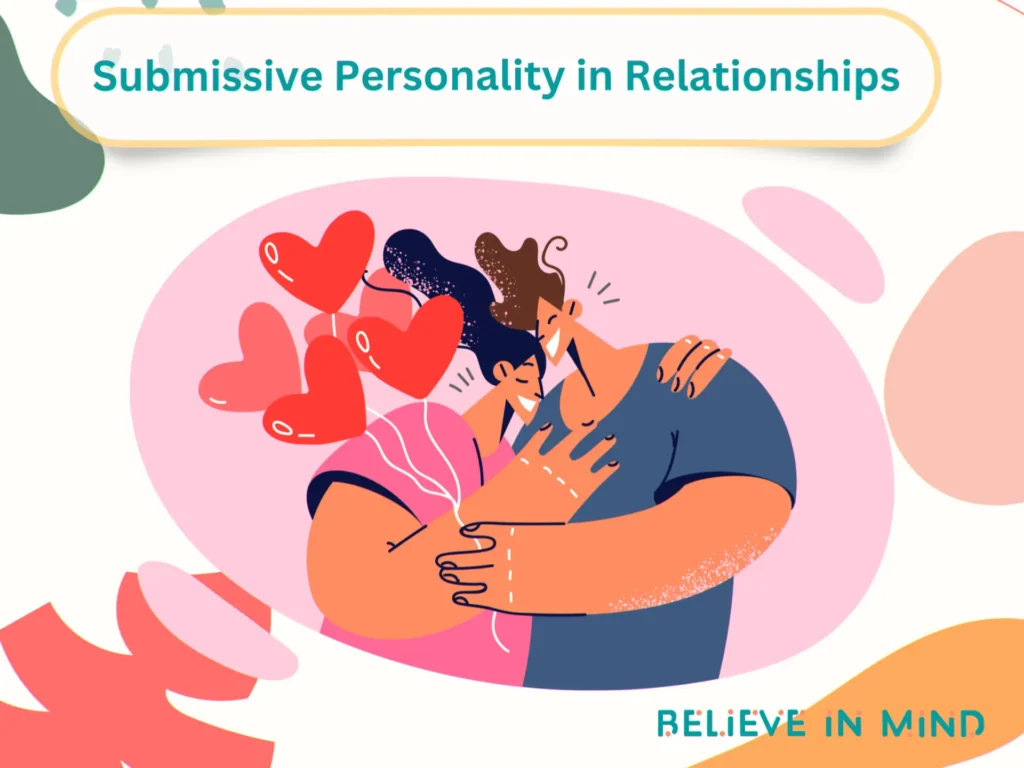
A common scenario where submissive traits emerge is within personal relationships. For instance, consider a partner who naturally defers to their significant other’s preferences, prioritizing harmony over asserting their own desires. Such individuals may be accommodating, empathetic, and humble, often placing the needs and happiness of others before their own. Understanding the dynamics of submissive behavior in relationships is crucial to maintaining a healthy balance and avoiding any potential resentment or exploitation.
People with submissive personality types often prioritize the needs of their partners or loved ones over their own and may struggle to assert their own boundaries and needs. This can lead to feelings of resentment and frustration and make it difficult to build healthy and balanced relationships. It is important for individuals with submissive personality traits to recognize and understand their own needs and boundaries and to communicate these to their partners in order to build healthy and balanced relationships.
In romantic relationships, submissive partners may find themselves constantly deferring to their partner’s wishes, even when they disagree. They may also be reluctant to express their own opinions or feelings for fear of conflict or rejection. This can lead to a lack of intimacy and connection in the relationship, as the submissive partner feels unable to be their true selves.
In friendships, submissive individuals may find themselves taking on the role of the listener rather than the talker. They may be hesitant to share their own thoughts and feelings and instead focus on supporting and encouraging their friends. While this can be a positive quality, it can also lead to the submissive individual feeling undervalued or unseen.
In family relationships, submissive individuals may find themselves taking on the role of caregiver, putting the needs of their loved ones before their own. This can be a rewarding role, but it can also be draining and lead to resentment. It is important for submissive individuals to set boundaries and take time for themselves in order to avoid burnout.
Overall, the submissive personality type can have both positive and negative effects on relationships. It is important for individuals with submissive personality traits to be aware of their own strengths and weaknesses and to work on developing healthy ways to express themselves and assert their own needs. By doing so, they can build healthy and balanced relationships that are fulfilling for all involved.
Read more

2. Workplace Dynamics:

In professional settings, a submissive personality may manifest in various ways. An employee with a submissive demeanor might be hesitant to assert their opinions in meetings or shy away from taking on leadership roles. They might excel at supporting and implementing ideas proposed by others but struggle with taking the spotlight themselves. However, it is important to note that being submissive does not equate to a lack of competence or capability; rather, it reflects a preference for cooperative and supportive roles.
Submissive behaviors can manifest in the workplace in various ways. One common indicator is the tendency to accept menial tasks without question. This behavior often stems from a desire to avoid conflict or appear cooperative, but it can also indicate a lack of assertiveness or confidence.
Submissive individuals may also exhibit a pattern of avoiding eye contact or appearing overly deferential to superiors. This behavior can be interpreted as a sign of respect or shyness, but it can also suggest a lack of self-assurance or a fear of authority.
In meetings, submissive individuals may rarely speak up or offer suggestions. This behavior can be attributed to a lack of confidence in their own ideas or a fear of being criticized.
Submissive individuals may also allow themselves to be interrupted without addressing it, which can further reinforce their passive demeanor. Additionally, they may hesitate to approach co-workers or start conversations, which can limit their opportunities for collaboration and networking.
These behaviors can have a negative impact on an individual’s career prospects. By failing to assert themselves or express their ideas, submissive individuals may miss out on opportunities for promotion or recognition. They may also be more likely to experience burnout or job dissatisfaction due to the accumulation of unaddressed frustrations.
To thrive in the workplace, it is important to strike a balance between assertiveness and deference and to find ways to express oneself in a respectful and confident manner.
3. Group Decision-Making:
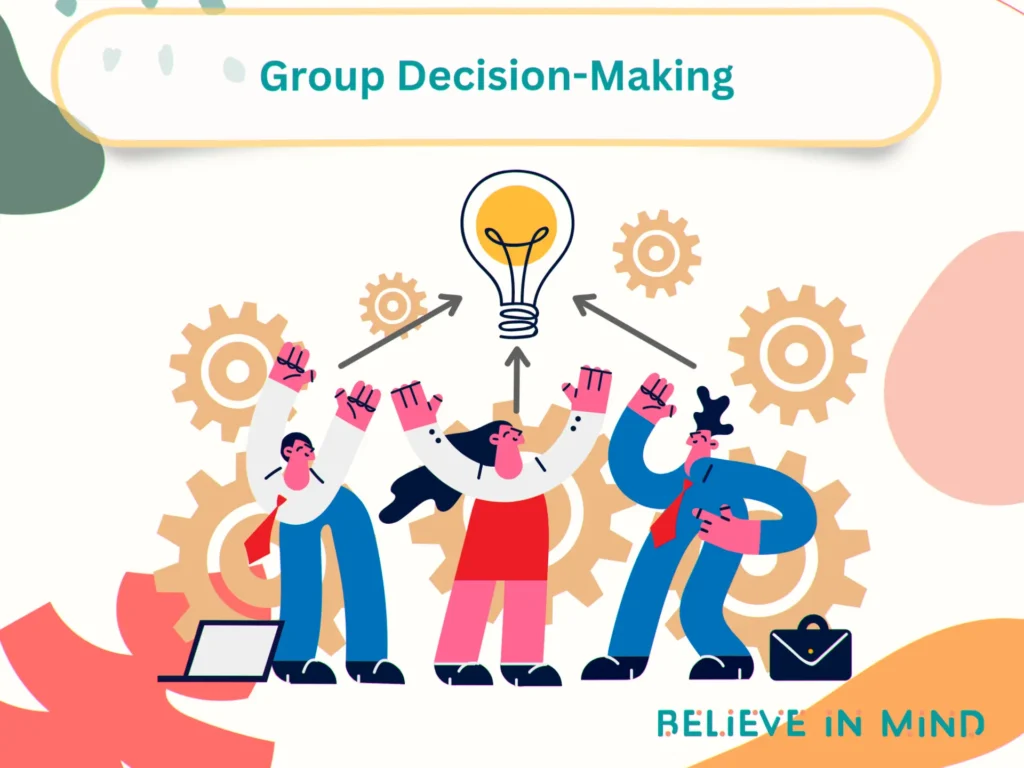
When it comes to decision-making in groups or teams, submissive individuals often struggle to voice their ideas confidently. They may feel uncomfortable challenging the opinions of more dominant personalities, leading to their ideas being overlooked or dismissed. Recognizing and encouraging the contributions of submissive individuals can foster a more inclusive and diverse decision-making process, ensuring a fair representation of perspectives.
Individuals with submissive personality traits often display specific behaviors in group decision-making settings. They tend to defer to the opinions and ideas of others, prioritizing group harmony above their own contributions. This can manifest as a hesitation to express their own thoughts and suggestions, even when they have valuable insights to offer. As a result, their contributions may be overlooked or undervalued by more assertive group members, hindering the overall decision-making process.
Submissive individuals may also struggle to assert their opinions in the face of disagreement or conflict. They may fear negative evaluations or social rejection, leading them to suppress their own perspectives to maintain peace within the group. This can prevent the group from considering a wider range of ideas and perspectives, leading to less effective decision-making outcomes.
Furthermore, submissive individuals may be more susceptible to persuasion and social influence. They may be more likely to conform to the opinions of the majority or those in positions of authority, even if they have reservations or concerns. This can hinder the group’s ability to critically evaluate different viewpoints and make well-rounded decisions.
To encourage more effective participation from submissive individuals in group decision-making, it is crucial to create a supportive and inclusive environment. This can involve actively seeking their input, valuing their contributions, and ensuring that their perspectives are heard and respected. Additionally, providing opportunities for private or small group discussions can help submissive individuals feel more comfortable sharing their thoughts without the pressure of a larger group setting.
By fostering an environment that encourages diverse input and values the contributions of all group members, organizations can harness the collective knowledge and expertise of their employees, leading to more effective and well-rounded decision-making processes.
Read more

4. Impact on Mental Health:
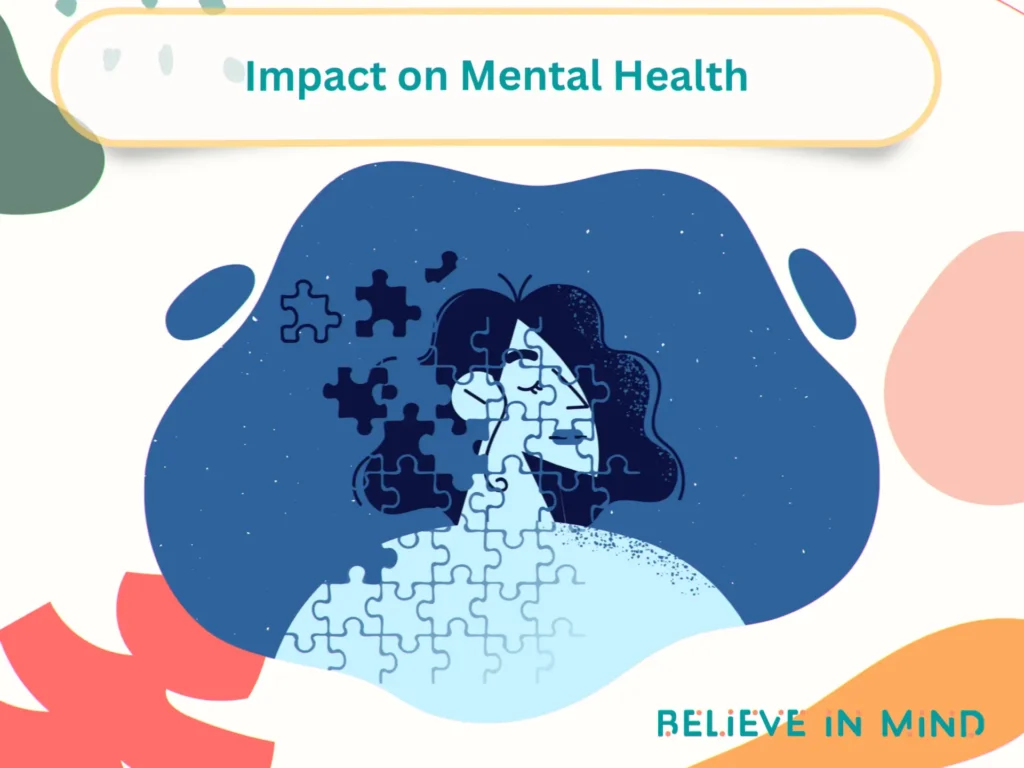
While submissive personalities often adapt well to their surroundings, they may face challenges when it comes to setting boundaries or advocating for their own needs. This can sometimes lead to feelings of being taken advantage of or a loss of personal agency, potentially impacting their mental well-being.
Individuals with submissive tendencies may experience higher levels of anxiety, depression, and low self-esteem. This is because they often prioritize the needs of others over their own, which can lead to feelings of resentment, anger, and guilt. Additionally, submissive individuals may be more likely to engage in self-destructive behaviors as a way to cope with their negative emotions.
For example, a submissive person in a romantic relationship may feel like they have to constantly put their partner’s needs first, even if it means sacrificing their own. This can lead to them feeling undervalued and unappreciated, which can contribute to anxiety and depression.
Moreover, submissive personality types may struggle with expressing their emotions and thoughts, which can lead to further mental distress. They may feel like they don’t have a voice or that their opinions don’t matter, which can make them feel isolated and alone. This can lead to negative self-image and self-esteem issues, as well as difficulties forming and maintaining healthy relationships.
It’s important for people with submissive personalities to recognize and understand the impact that their personality type can have on their mental health. If you think you might have a submissive personality, it’s important to seek professional help. A therapist can help you learn how to manage your submissive tendencies and develop healthier coping mechanisms.
5. Famous Personalities Known for Submissive Demeanor:

This section discusses a few famous personalities who are known for their submissive demeanor. These individuals have all demonstrated a willingness to put others’ needs before their own, as well as a humble and respectful attitude towards others.
Mahatma Gandhi, the leader of India’s non-violent independence movement, is another prominent figure known for his submissive demeanor. Gandhi’s unwavering commitment to peaceful resistance and his willingness to endure personal suffering for the greater good of his nation left a profound impact on the world. His teachings on nonviolence and civil disobedience continue to influence social movements and leaders globally.
Mother Teresa, renowned for her selfless service to the poor and destitute, is another notable example of a submissive personality. Dedicating her life to caring for the marginalized and forgotten, Mother Teresa exemplified humility, compassion, and an unwavering commitment to helping those in need. Her work has inspired countless individuals to follow her path of service and selflessness.
Rosa Parks: By refusing to give up her seat on a segregated bus, Rosa Parks displayed a quiet but powerful resistance, demonstrating her submissive qualities in the face of injustice.
Dalai Lama, the spiritual leader of Tibetan Buddhism. Known for his compassionate and peaceful nature, the Dalai Lama consistently prioritizes the well-being of others, advocating for non-violence and understanding among people of different faiths and backgrounds. His teachings emphasize the importance of compassion, forgiveness, and selflessness, inspiring millions worldwide.
Nelson Mandela, the former President of South Africa and a global symbol of peace and reconciliation,. Despite enduring years of imprisonment for his fight against apartheid, Mandela emerged as a leader who sought unity and forgiveness rather than revenge. His ability to put the greater good of his nation above personal grievances has earned him immense respect and admiration.
Malala Yousafzai, the Pakistani activist for female education and the youngest Nobel Prize laureate, exemplifies a submissive personality. Despite facing threats to her life for advocating for girls’ education, Malala has shown remarkable courage and determination in her pursuit of justice and equality. Her unwavering commitment to empowering women and girls has inspired millions around the world.
Real-life examples of individuals with submissive traits provide insights into the complexities of this personality type. While submissiveness can have positive aspects such as empathy and fostering harmonious relationships, there are potential negatives to consider, such as susceptibility to exploitation and self-neglect. Famous personalities like Mahatma Gandhi, Mother Teresa, and Rosa Parks serve as prominent examples of submissive individuals who made significant impacts through their humble and nonviolent approach. Understanding these examples helps us appreciate the dynamics and diverse manifestations of a submissive personality.
Conclusion:
In conclusion, a submissive personality is far more complex than the misconceptions surrounding it might suggest. The examples discussed above illustrate the diverse ways in which submissive traits manifest in personal relationships, workplaces, and group dynamics. Understanding and appreciating the dynamics of a submissive personality can contribute to greater empathy, social harmony, and improved mental well-being for both individuals and society as a whole.
References
- What Is Submissive Behavior: Breaking the Taboo and Stigma
- Could Your Personality Derail Your Career? by Tomas Chamorro-Premuzic

Let’s boost your self-growth with Believe in Mind.
Interested in self-reflection tips, learning hacks, and knowing ways to calm down your mind? We offer you the best content which you have been looking for.